
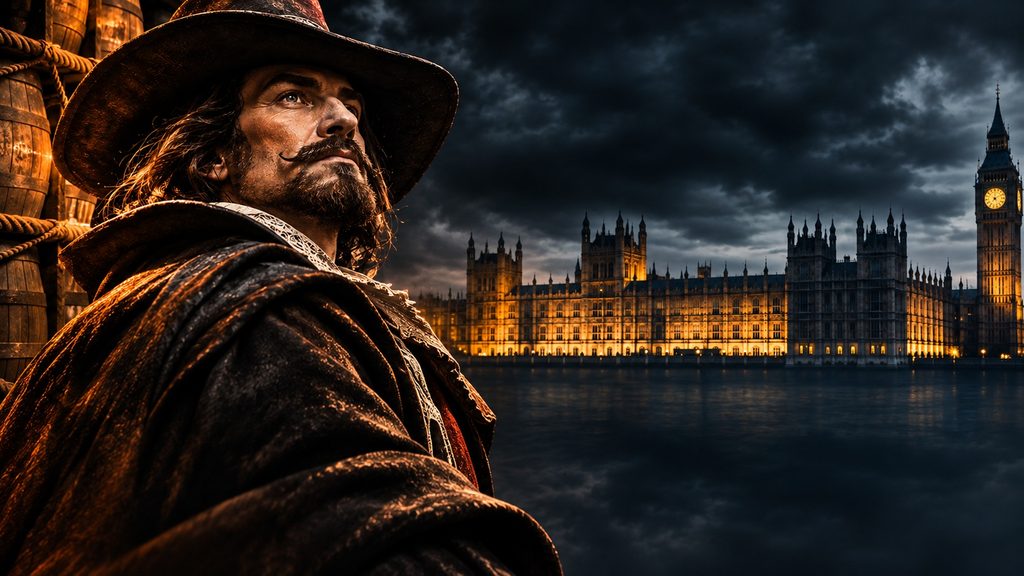
I respect Fawkes for his ability to rise within a declining cause and become instrumental in bringing someone else’s vision to life. He may not have conceived the Gunpowder Plot, but he became a key figure in translating another person’s vision into an executable plan. There is something to recognize in the ability to understand a larger vision, architect the means to achieve it, and take ownership of its execution.
I revile him for the purpose behind that effort. As someone born in the United States and sympathetic to monarchy, my objection isn’t to challenging political structures or changing the establishment. It’s the willingness to disrupt the operating conditions of an entire system to achieve that change. The consequences of such disruption extend far beyond the people driving the vision.
Perhaps there is a bit of cognitive dissonance in holding both views, and I’m comfortable with that. Guy Fawkes is a historical figure whose ability to architect and execute someone else’s vision can be admired, while the operational consequences of that vision remain objectionable. He is both an example of the power of committed execution and a cautionary tale about the importance of understanding the impact of what we set in motion.