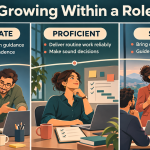
The Degrees of Difference Between Associate, Proficient, and Senior

People progress through different stages as they grow in the same role. Associate, Proficient, and Senior describe those stages, each with its own expectations for independence, judgment, and impact. Associate An Associate is building a reliable foundation in the role. They work toward clear, near-term goals that develop new functional or strategic skills. They receive …

The Value of Having Both Good and Bad Bosses

Throughout your career, you’ll work for different types of leaders. Some will challenge you, develop you, and create an environment where people can succeed. Others will frustrate you, create unnecessary obstacles, and demonstrate exactly how not to lead. Both experiences have value. The trick is knowing which one you have and understanding what you should …

The Triangle of Education: Where Traditional Learning Falls Short

Education is generally understood as the process of acquiring knowledge, developing intelligence, and preparing individuals to use both in the world. But those are not necessarily the same thing, and the distinction matters. I see education as three connected components: Knowledge Attainment, Intelligence Built, and Application Experience. Each serves a different purpose, and each contributes …

Why I Both Respect—and Revile—Guy Fawkes

I respect Fawkes for his ability to rise within a declining cause and become instrumental in bringing someone else’s vision to life. He may not have conceived the Gunpowder Plot, but he became a key figure in translating another person’s vision into an executable plan. There is something to recognize in the ability to understand …

If You Don’t Say Sorry, Why Do You Say Thank You?

There’s a growing trend to replace “Sorry I’m late” with “Thank you for waiting.” It sounds like a small change, but consider what it implies. “Sorry I’m late” acknowledges that I failed to meet an expectation. “Thank you for waiting” shifts the focus to your patience—as if the problem is how you responded to my …

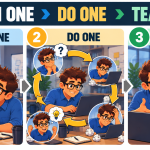
Watch One. Do One. Teach One.

Learning happens when we move from understanding to action. The NHS is associated with the traditional medical training principle of “See One, Do One, Teach One.” The idea is simple: observe someone with experience, try it yourself, then pass the knowledge on. The real power is in the progression. Don’t wait for mastery to take …

Safety Third

We’ve been taught that safety comes first. It sounds right. It sounds responsible. But there’s a problem with it: If safety is truly first, you can eliminate risk by eliminating action. No risk means no movement.No movement means no progress.And without progress, there is no new value or meaningful outcome. That doesn’t mean safety doesn’t …

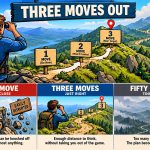
Three Moves Out

Don’t think what is my next move , Think is the my third move Not one. Not fifty. Three. If you only think about your next move, you’re too close to the problem. Almost anything can disrupt it—a change in priorities, someone else’s decision, or an unexpected problem. But thinking fifty moves ahead creates the …

The Hedonic Cycle: The Trap of More

What is something you desperately wanted five years ago that barely excites you today? That is the hedonic cycle: want, get, enjoy, adapt, and want again. The problem isn’t having goals. The problem is believing the next goal will finally make things better. The Trap A promotion feels great until it becomes your job. A …

Disagree, Agree, or Stay Neutral — Just Don’t Stalemate

On any subject, you can disagree, agree, or stay neutral. But what you can’t do is let it become a stalemate. Healthy organizations don’t require everyone to think the same. They require people to challenge ideas, understand different perspectives, make decisions, and then move forward. You don’t have to agree. You do have to play …